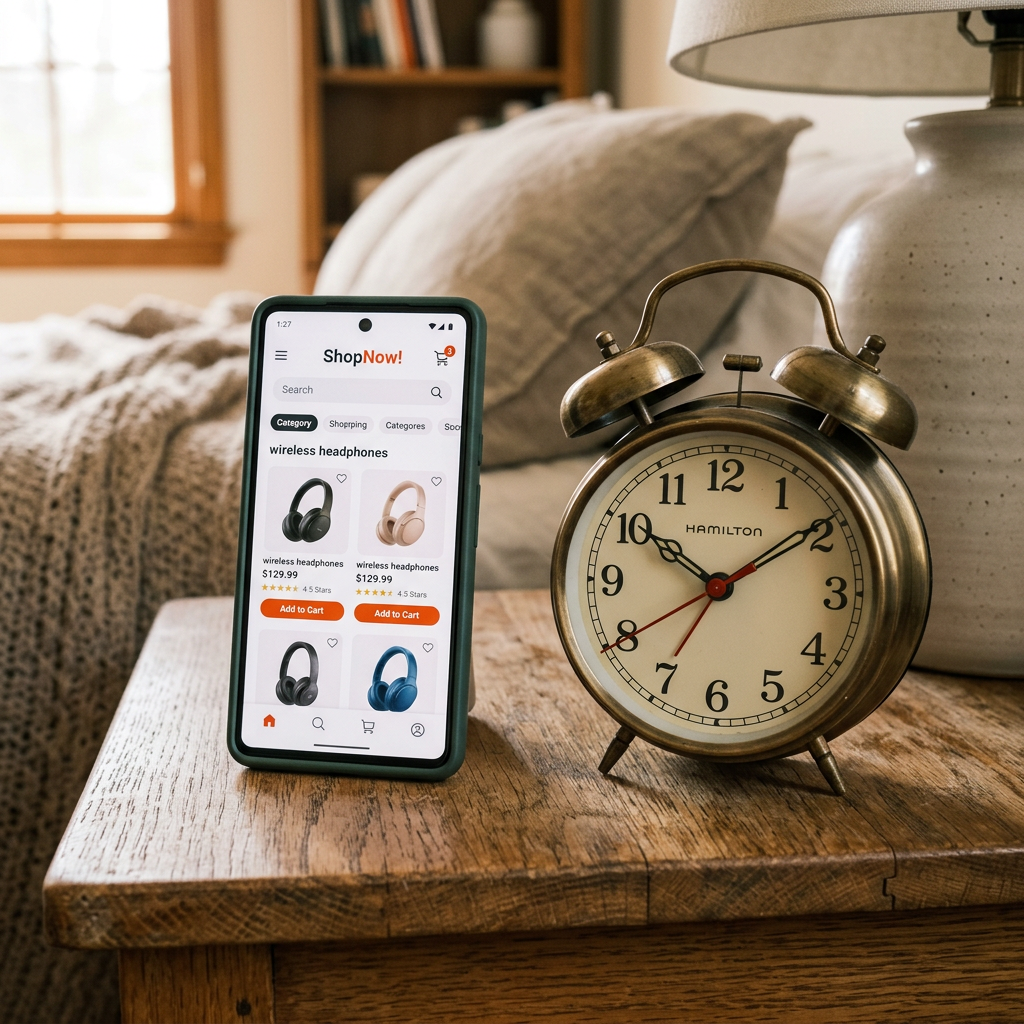
We have all been there. After a grueling, stressful day at work, you open your phone and start scrolling through online stores. Within minutes, a package is ordered, and a temporary wave of excitement washes over you. But once the package arrives, the thrill fades, leaving behind regret and a lighter bank account.
This cycle is known as emotional spending using retail therapy to self-soothe anxiety, boredom, or sadness. While a shopping spree offers a quick psychological boost, it sabotages your long-term financial stability.
Solving this habit requires more than just willpower, you need a practical system to pause, process your emotions, and redirect your energy. Here is your step-by-step framework to take back control.

Identify Your Personal Triggers for Emotional Spending
The first step to fixing a problem is understanding its root cause. Emotional spending rarely happens at random, it is almost always tied to specific emotional triggers.
- The Solution: Keep an “Impulse Log” for one week. Every time you feel an urge to buy something non-essential, write down the exact time, what you were doing, and how you felt. Were you stressed about a deadline? Lonely? Bored on the couch?
- The Result: Spotting these patterns breaks the autopilot trance. When you realize you are trying to fix a bad day with a credit card, you can address the emotion directly instead of buying a temporary distraction.
Implement the 48-Hour Rule to Stop Impulse Buys
In the digital age, buying things takes less than ten seconds. That frictionless convenience is the ultimate trap for anyone prone to emotional spending.
- The Solution: Enforce a mandatory 48-hour cooling off rule for any unplanned purchase over a certain threshold (like $30). When an urge hits, add the item to your cart or wishlist, close the tab, and walk away for two full days.
- The Result: Time is the enemy of impulse. In 48 hours, the emotional spike fades back to baseline. Most of the time, you will return to the cart two days later and realize you don’t even want or need the item.

Create a “Joy Menu” of Free Non-Monetary Alternatives
When we look for retail therapy, our brains are usually craving dopamine, comfort, or a mental escape. Buying something provides an easy hit of dopamine, but it isn’t the only way to get it.
- The Solution: Build a physical “Joy Menu” a list of quick, free activities that genuinely relax or excite you. Include things like taking a 20-minute walk without your phone, calling a friend, doing a quick home workout, or reading a chapter of a good book.
- The Result: The next time emotional spending urges strike, open your Joy Menu first. Give your brain the actual comfort or dopamine hit it is asking for without spending a single dollar.
Separate Your Money from Your Stressors
If your shopping apps are logged in, your credit card details are saved, and notifications are popping up with sales alerts, you are fighting an uphill battle against temptation.
- The Solution: Add friction back into your purchasing process. Delete saved credit card numbers from online browsers, unsubscribe from promotional marketing emails, and remove shopping apps from your phone’s home screen.
- The Result: By making buying slightly more inconvenient, you create a vital window of time for your rational brain to step in and stop an emotional purchase before it happens.
True wealth isn’t just about saving money; it’s about mastering your relationship with yourself.
Ready to take control of your habits? Download our free Impulse Control Tracker and start your journey toward mindful, stress free spending today
Leave a Reply