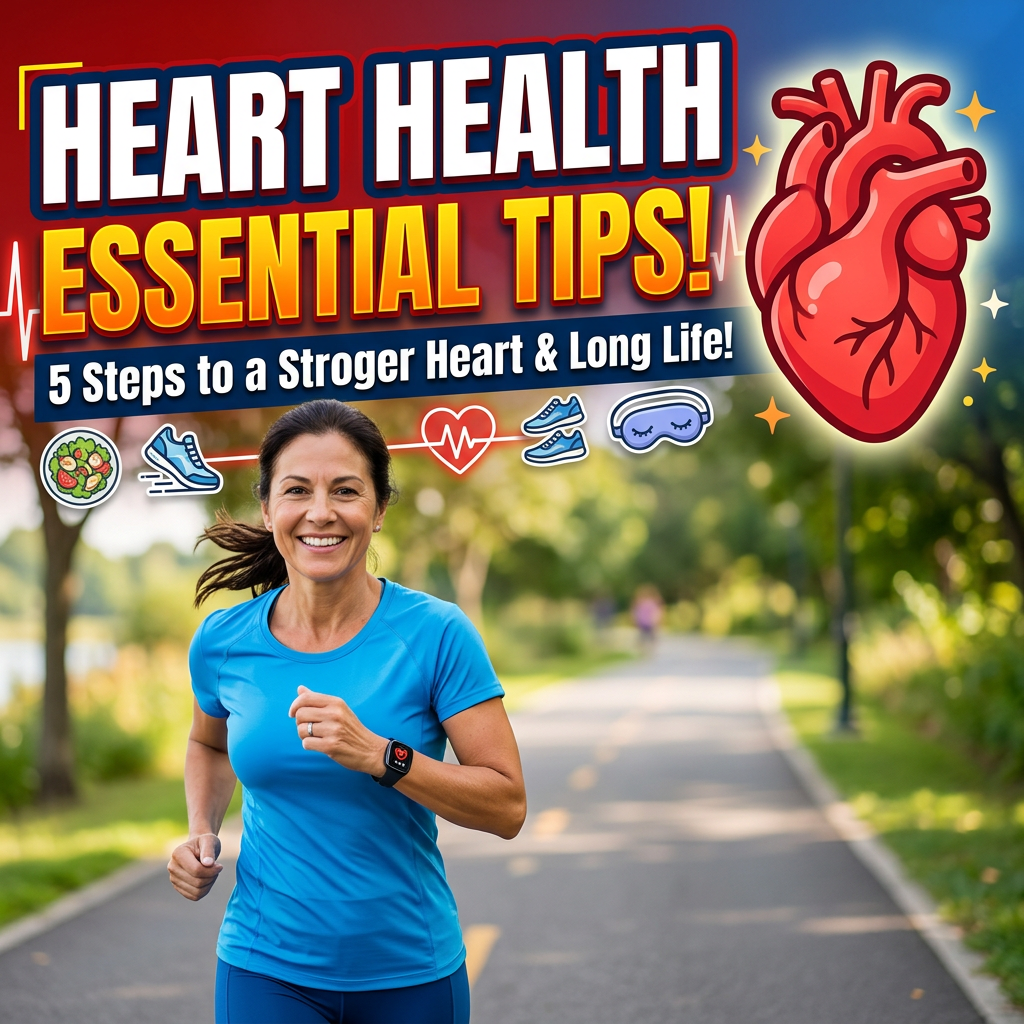
Heart disease remains one of the leading health challenges worldwide. Yet one of the most powerful defenses against it is entirely free, accessible, and sitting right in your daily routine: physical activity.
For decades, conventional wisdom pointed almost exclusively to cardiovascular endurance—running, swimming, cycling—as the path to a strong heart. But modern research tells a different story. Organizations like the American Heart Association now recognize that a balanced mix of aerobic activity and resistance training offers unmatched cardiovascular protection.

The Physiological Breakdown: How Exercise Reshapes Your Heart
When you exercise regularly, your heart adapts, strengthens, and becomes more efficient — and that ripples through your entire cardiovascular system in measurable ways:
- Improved Efficiency: A stronger heart pumps more blood with each beat. Your resting heart rate drops because your heart doesn’t have to work as hard to circulate oxygen.
- Enhanced Blood Vessel Function: Exercise triggers nitric oxide release, which relaxes blood vessels, lowers blood pressure, and improves arterial flexibility. This reduces plaque buildup over time.
- Favorable Lipid Profiles: Regular physical activity raises HDL cholesterol (the “good” kind) while lowering triglycerides and harmful LDL particles.
- Blood Sugar Regulation: Exercise increases insulin sensitivity, preventing the metabolic dysfunction that often leads to vascular damage.

The Two Pillars of a Heart-Healthy Routine
To maximize cardiovascular benefits, experts recommend combining two distinct types of exercise. Both are essential; together, they create a complete heart-health strategy:
1. Aerobic Exercise (Cardio)
Cardio, or endurance training, keeps your heart rate elevated and your circulation pumping. Here’s what the research recommends:
- The Target: Aim for at least 150 minutes of moderate-intensity aerobic activity per week (like brisk walking, swimming, or cycling). Or go for 75 minutes of vigorous-intensity activity (like running or high-intensity interval training).
- The Rule of Thumb: During moderate activity, you should be able to talk but not sing. That’s your signal you’re working at the right intensity.
2. Resistance Training (Strength Work)
For decades, strength training took a back seat to cardio, but recent studies show that’s a mistake — especially for women and aging adults — because resistance work is a genuine powerhouse for heart health.
- The Target: Incorporate strength-building activities (free weights, resistance bands, bodyweight exercises like push-ups and squats) at least two days per week.
- The Benefit: Resistance training reduces visceral fat (the dangerous fat around internal organs), lowers blood pressure, and improves long-term glucose metabolism.
Making Movement Work for You
Here’s the good news: protecting your heart doesn’t require marathon training — the real secret is consistency, not extreme intensity.
- Break It Down: If 30 minutes feels overwhelming, break it into three 10-minute walks throughout the day. The cardiovascular benefits still add up.
- Prioritize Daily Movement: Beyond structured workouts, reduce prolonged sitting. Take short movement breaks every hour—even a quick walk or stretch helps.
- Listen to Your Body: Build gradually. Consistency over months and years delivers far greater heart protection than sporadic bursts of intense exertion.

Summary and Next Steps
Protecting your heart is simpler than you might think: combine regular aerobic activity with purposeful strength training, and you actively lower blood pressure, improve circulation, and build a more resilient cardiovascular system.
Ready to start? Pick one small, manageable change today—whether it’s a brisk 15-minute walk after lunch or two sets of bodyweight squats. Then build your momentum from there.
You Might Also Like 💡
→ Proteinmaxxing: How the Quest for Maximum Protein Intake is Reshaping Modern Diets
→ 8 Mundane Habits That Quietly Built My Savings
→ Overcoming Emotional Spending: 4 Practical Strategies
Medical Disclaimer: If you have been sedentary for a long period, have a pre-existing heart condition, or experience chest pain, dizziness, or shortness of breath during exertion, consult your physician before starting or significantly changing your exercise routine
Leave a Reply